
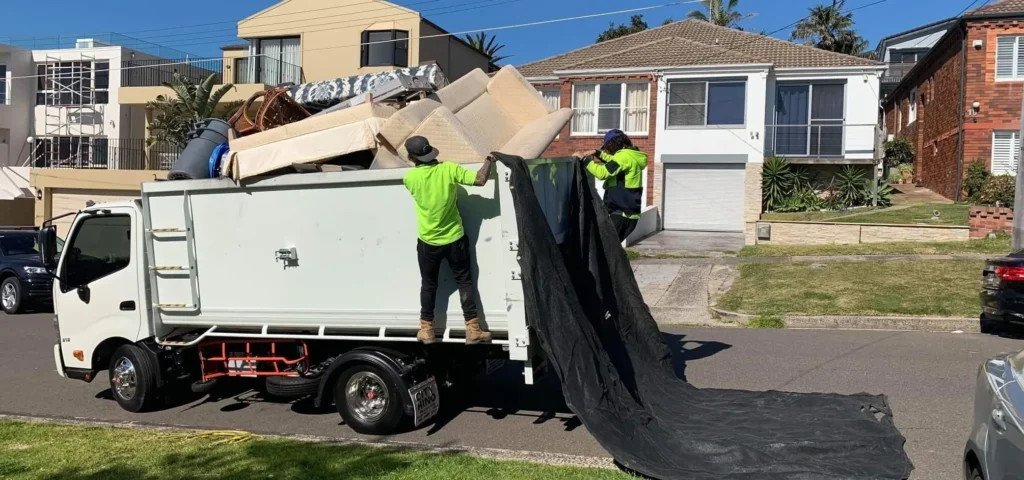
The keys are back in your hand, but the unit still holds a couch and a mattress. Junk removal services can reset it fast, so your next tenant walks into a clean, ready space.
Every landlord and property manager knows the feeling. The lease ends, the tenant leaves, and you open the door to see what got left behind. Sometimes it is a few boxes. Sometimes it is a full living room set, a dead refrigerator, and a closet full of unknown bags. Either way, the clock is ticking, because every empty day costs you rent.
Here are the eight types of junk to clear out during a rental turnover, plus how to handle each one smoothly.
Why Clearing Junk Fast Matters During a Rental Turnover
Vacancy is expensive. Each day a unit sits empty with clutter inside delays cleaning, repairs, photos, showings, and the new lease. Junk also hides problems. You cannot inspect a wall, a floor, or an appliance hookup when it is buried behind a stack of broken furniture.
A clean slate lets you see exactly what needs repair, paint, or replacement. It also makes your listing photos look better, which can bring in applicants faster. In short, clearing junk early speeds up everything that follows.
Before You Start: Check the Rules on Tenant Belongings
Here is a step many landlords skip, and it can cause real trouble. Before you throw out anything a tenant left behind, check your lease and your local landlord-tenant laws.
Rules about abandoned property differ from place to place. Some areas require written notice and a waiting period before you can dispose of belongings. Others treat valuable items differently from obvious trash. If you are not sure, talk to a local attorney or your landlord association.
Document everything. Take dated photos and keep a written list of what was left behind. That record protects you if a former tenant later disputes something.
The 8 Types of Junk to Remove Before the Next Tenant Moves In
Here is the list, starting with the items that cause the most headaches.
1. Abandoned furniture
Couches, tables, dressers, desks, bookcases, and bed frames are the most common leftovers in a rental. Tenants often decide it is easier to leave a worn sofa than to carry it down three flights of stairs.
Furniture is bulky, awkward, and hard to haul in a personal vehicle. Many pieces also need to be taken apart to fit through doors and hallways. A junk removal crew can handle the lifting, disassembly, and disposal, and can often sort out pieces that are still usable for donation.
2. Mattresses and box springs
Mattresses deserve their own spot on the list, because they are heavy, unwieldy, and often not accepted in regular trash pickup. Many areas have special rules for mattress disposal.
A used mattress can also carry pests, such as bed bugs. If you suspect an infestation, wrap the mattress in plastic before moving it so pests do not spread through the hallway or into other units. Tell your removal team about the concern so they can handle it correctly.
3. Old and broken appliances
Refrigerators, stoves, washers, dryers, dishwashers, and window air conditioners are common leftovers when a tenant leaves. They are heavy, and some contain materials that need careful handling.
For example, refrigerators and air conditioners contain refrigerant, a chemical that cools the unit. It should be removed properly before the appliance is scrapped, and it is not something you want to release into the air. Professionals know how to route these items to the right facilities. Also, before you haul out a refrigerator, open it. Spoiled food left inside can create a mess you do not want to meet unprepared.
4. Electronics and e-waste
Old TVs, monitors, computers, printers, and cables often get left in closets and corners. These are classified as electronic waste, or e-waste, and many places do not allow them in the regular trash.
E-waste can contain metals and parts that should be recycled responsibly. If any devices were left behind, do not use or browse them. Treat the data as private, and let a recycler handle them.
5. Boxes, clothing, and leftover personal belongings
This is the category that often needs the most patience. Bags of clothes, boxes of dishes, kids’ toys, books, and random household items pile up fast.
Sort what is clearly trash from what looks valuable or personal. Photos, documents, and items with sentimental or monetary value may need to be held or returned, depending on your local rules. Once you are cleared to dispose of the rest, junk removal services can haul it all away in one trip. Donation is a good option for clean clothes, working housewares, and usable goods.
6. Household trash and spoiled food
Bagged garbage, overflowing bins, and food left in the kitchen are not just unpleasant. They attract pests and create odors that soak into carpets, cabinets, and walls.
Clear these items first. Once the trash is out, you can air out the unit, check for pest activity, and deep clean without fighting through clutter. If the odor lingers, it may be a sign that something is hiding behind appliances or in the cabinets.
7. Old carpet, flooring, and renovation debris
Turnovers often include repairs, and repairs create debris. Torn-up carpet and pad, broken tile, scraps of drywall, old cabinets, damaged doors, and leftover lumber all need to go somewhere.
This kind of material is heavy and sharp, and it does not belong in a standard trash bin. If you are replacing flooring between tenants, scheduling a haul-away at the same time as the demolition keeps the job moving and the unit safe to walk through.
8. Yard and outdoor junk
The junk is not always inside. Balconies, patios, garages, sheds, and yards collect their own pile of leftovers, including broken patio furniture, old grills, bikes, tires, branches, and bags of yard waste.
Outdoor clutter hurts curb appeal, and it can violate community or HOA rules. Clearing it also makes the property look cared for, which matters when prospective tenants drive by.
Items Most Junk Haulers Cannot Take
Not everything is accepted by every removal company. Items that are considered hazardous usually need special handling, and many haulers will decline them.
This typically includes paint and solvents, pesticides, propane tanks, car batteries, and certain chemicals. If you find any of these in a unit, ask your local waste authority where to take them. Tell your hauling company ahead of time so there are no surprises on pickup day.
Why Professional Junk Removal Speeds Up Rental Turnover
Could you do all of this yourself? Sure, if you have a truck, spare time, strong helpers, and a plan for disposal fees. But for most landlords and property managers, time is the real cost.
Here is what professional junk removal services bring to a turnover:
- Speed. A crew can often clear a unit in a few hours, so cleaners and contractors can get started.
- Muscle and equipment. Dollies, straps, and trained lifters make heavy items manageable.
- Proper disposal. Items go to donation centers, recycling facilities, or approved disposal sites.
- Safety. You avoid injuries from lifting, sharp debris, and awkward loads.
- Flexibility. Many providers can work around tenant move-out dates and your schedule.
For property managers handling several units, having one reliable hauling partner makes every turnover more predictable.
A Simple Turnover Order of Operations
Timing matters. A common order that works well for many rentals looks like this:
Stage | What Happens |
1. Walkthrough | Inspect the unit, take photos, and list everything left behind |
2. Legal check | Confirm notice and waiting-period rules for abandoned belongings |
3. Junk removal | Clear furniture, appliances, trash, and debris |
4. Repairs | Fix walls, floors, fixtures, and any damage uncovered |
5. Deep cleaning | Clean carpets, kitchen, bathrooms, and windows |
6. Final check | Test appliances, change locks, and photograph the finished unit |
Junk removal sits near the top for a reason. Once the unit is empty, every step after it goes faster.
Getting the Unit Ready Faster
A turnover does not have to be a scramble. Walk the unit, check the rules, document what is left, and clear the eight common types of junk early: furniture, mattresses, appliances, electronics, personal belongings, trash, renovation debris, and outdoor clutter. Do that, and the repairs, cleaning, and showings can all move forward without delay.
So the next time you’re staring at a vacated unit full of leftovers you never agreed to deal with, reach out to EJ Haul LLC. We provide professional junk removal services, backed by a team of experts that have spent years helping landlords and property managers get their rentals ready for the next tenant. Call 314-465-9867 or visit https://ejhaul86.com/junk-removal-services-in-st-louis-mo/ to learn more about how we can help you.
Frequently Asked Questions
How soon after move-out should I schedule junk removal?
As soon as the legal waiting period, if any, has passed. Scheduling early keeps cleaning, repairs, and showings on track, and it reduces the number of vacant days.
Can I throw away everything a tenant leaves behind?
Not always. Rules differ by location, and some areas require notice or a waiting period. Check your local laws and lease first, and document everything before you discard it.
How much does junk removal cost for a rental unit?
It depends on the amount and type of items, access, and disposal fees. Most companies quote by volume or by item, so sending photos can help you get a more accurate estimate.
Do junk removal companies take appliances?
Most do, including refrigerators, stoves, washers, and dryers. Appliances with refrigerant need proper handling, so mention them when you book to make sure the crew is prepared.
What happens to items after they are hauled away?
Usable items may be donated, recyclable materials go to recycling centers, and the rest is taken to approved disposal sites. Ask your provider where items end up.