
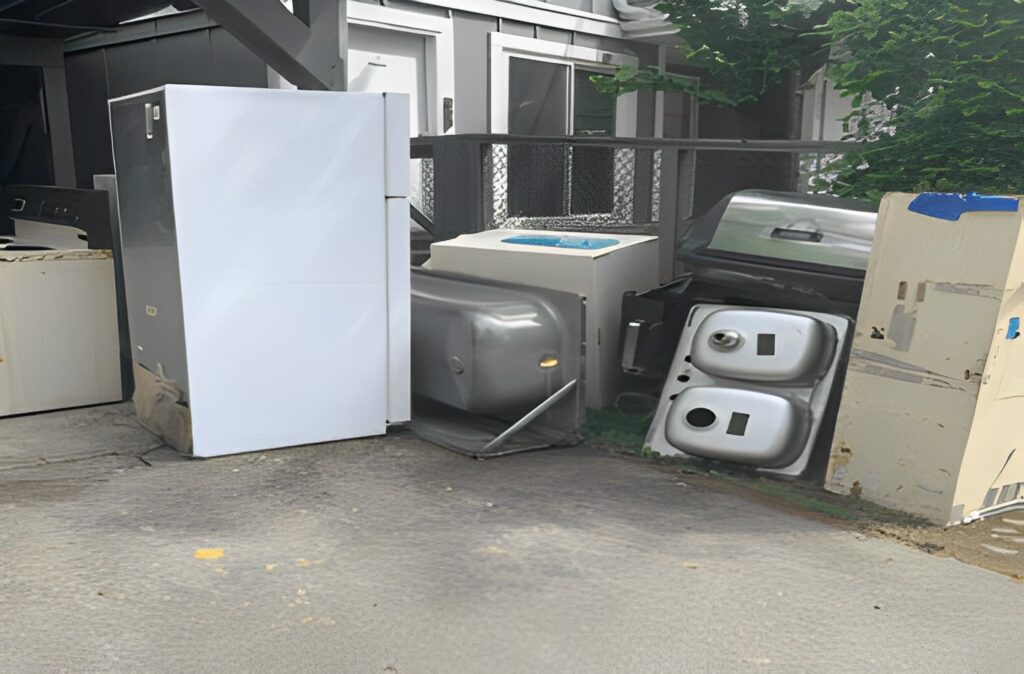
Old appliances rarely stay harmless. An unused refrigerator starts smelling, leaking, and wasting electricity, while an old washer collects moisture and becomes a heavy problem no one wants to lift. Once they stop working, they take space, block storage areas, and turn cleanup into stress. So, arranging pickup and handling removal correctly turns into a smart decision, not only for convenience but also for safety.
This guide explains how to prepare appliances, how pickup usually works, and how you can avoid common mistakes along the way, so the removal process feels smoother and more organized.
Preparing Before Pickup Makes Everything Easier
Pickup becomes simple when appliances are prepared correctly first. Without preparation, movers struggle, floors get scratched, and unnecessary mess happens. A little effort in advance saves trouble later.
Steps before removing a refrigerator
Before removal, the refrigerator needs proper care:
- Empty food and bottles so nothing spills
- Unplug at least 24 hours earlier so ice melts
- Keep doors slightly open to prevent odor
- Remove glass shelves and drawers
- Wipe remaining moisture
You can even place a towel at the bottom to catch any last drops.
Steps before removing a washer
Washers hold water inside lines, so preparation matters even more.
- Turn off the water supply
- Unplug power safely
- Disconnect hoses slowly
- Drain water outside or in a bucket
- Dry the drum with a cloth
You should tie cords and hoses neatly so nothing drags across the floor.
Creating A Safe Pathway For Appliance Removal
Large appliances never move smoothly through crowded rooms. A simple, clear pathway keeps everything safe and controlled.
You can shift chairs, carpets, and small furniture aside first, then protect corners and floors. Cardboard, moving blankets, or towels help prevent scratches and dents. Therefore, everything stays protected while appliances roll through the house.
Small protection checklist
- Floor protection ready
- Corner guards if possible
- Doors held open
- Pets and kids kept away
A calm environment makes the removal team work faster and safer.
Practical Tips For Moving Heavy Appliances
Appliances look solid, but they damage easily when dragged or lifted incorrectly. Good handling saves both the machine and the house.
Smart handling habits
- Use dollies instead of pushing
- Lift with legs, never with the back
- Keep hands dry for better grip
- Move slowly instead of rushing
You should always work in pairs. Extra hands reduce pressure and help keep balance.
While planning removal, many homeowners also think about general cleaning, decluttering, or junk removal. That’s why it feels natural to guide readers toward related topics like garage cleanouts or house cleanup services, because appliance removal often becomes part of a much larger home refresh.
How Pickup Services Usually Manage The Process
Professional pickup simplifies everything, especially when appliances feel too heavy to handle alone.
Most companies follow a clear process:
- Pickup appointment scheduled
- Appliances checked and prepped
- Movers inspect the pathway
- Removal done carefully
- Items go for recycling, donation, or safe disposal
You can always ask whether the company recycles metals and refrigerant gas from refrigerators. Choosing eco-friendly service supports cleaner communities.
What Happens After Appliances Leave Your Home
Many people worry about where these machines end up. Sometimes they get recycled, sometimes reused, and sometimes responsibly disposed of if they are beyond repair.
Old refrigerators contain metals, plastic, and electronic parts that recycling centers separate and convert into usable material again. Washers often follow the same path. When appliances still work or need only minor repairs, some organizations donate them to families in need. Therefore, proper pickup prevents unnecessary landfill waste and supports responsible reuse.
Common Appliance Removal Mistakes To Avoid
Some mistakes look small but create bigger problems later.
- Leaving food inside the fridge
- Forgetting to drain washer hoses
- Dragging machines across tile or wood floors
- Trying to lift without equipment
- Ignoring local disposal laws
You should prepare first, think ahead, and work slowly to avoid accidents.
Pickup And Preparation Overview
Appliance | Key Prep | Biggest Risk | Helpful Tip |
Refrigerator | Defrost, empty, dry | Odors and leaks | Keep doors slightly open |
Washer | Drain lines, detach hoses | Water damage | Secure hoses tightly |
Both | Clear pathways | Scratches and injuries | Use dollies and blankets |
This table makes the differences clearer and keeps steps easy to remember.
A Natural Way To Include Helpful Resources
Sometimes removing appliances leads people to continue improving their homes. They might repaint, reorganize storage, or schedule junk removal. Instead of forcing readers to search, internal links can gently guide them, such as:
“When old appliances leave, many homeowners decide to refresh other spaces too, so exploring our detailed guide on home cleanup and organization services helps plan the next steps smoothly.”
That style feels natural inside the paragraph, not forced, and keeps readers engaged without breaking the flow.
A Smooth Finish for Your Appliance Removal
Removing old appliances doesn’t have to be a hassle. With the right prep, defrosting, draining, and clearing a path, you protect your home and make the job safe. Knowing how pickup works and what happens afterward turns a stressful task into a simple, responsible step forward.
If you’d rather leave the heavy lifting to the pros, EJ Haul is here to help. We provide professional Appliance Removal Services, taking care of everything from that cumbersome refrigerator to that burnt-out microwave. Let us clear out the clutter so you can make way for something new.
Call us today at 1-855-722-5535.
Frequently Asked Questions
The best way is to schedule a professional pickup. A reputable removal service will handle the heavy lifting, safely recover the refrigerant, and ensure the appliance is recycled or disposed of properly.
Check with your local utility company or municipality first, as many offer free pickup and recycling programs for old appliances to encourage energy efficiency. You can also contact local charities; some will pick up working units for donation.
The most common mistakes are forgetting to defrost the fridge or drain the washer’s hoses, which causes leaks and mess.
Never put refrigerators, freezers, or any appliance containing refrigerant (like AC units) in your regular trash. The harmful gases must be professionally recovered. Also, avoid tossing any electronics or batteries in the bin.
Usually, no. Most landfills prohibit whole appliances due to their bulk and hazardous materials like refrigerants, oils, and heavy metals. They require special drop-off at a designated facility or must be handled by a licensed appliance removal service for processing.