
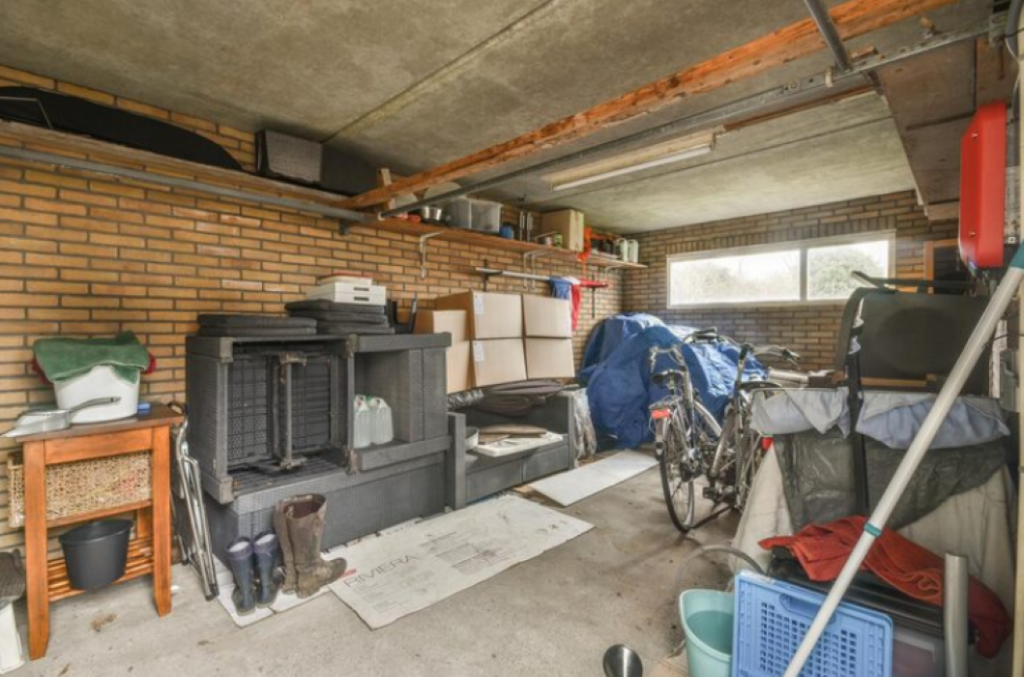
Basements and garages often turn into storage zones, and clutter slowly spreads across shelves, corners, and floors. Over time, boxes stack higher, old furniture gets pushed aside, and random items keep collecting, so the space starts feeling crowded and stressful. Most people keep postponing cleanouts because the job looks huge, however a simple plan makes everything easier to handle.
Proper planning reduces confusion, since every step has a purpose and direction. First, the process becomes easier to start. Then decisions become clearer, and sorting feels less emotional. Plus the work moves faster, because nothing happens randomly. Cleanouts create real benefits, in addition they reduce dust, improve safety, and open room for storage or projects. Moreover, less clutter often means fewer pests and better airflow, therefore the whole area feels lighter.
This guide shares nine step by step clearing methods, and each one builds on the progress from the previous step. For example, sorting helps before organizing, and organizing works better before long term storage solutions. Finally, the goal is a basement and garage that feel useful, easier to maintain, and free from constant clutter pressure.
1. Build A Clear Plan Before The Cleanout Starts
Know The Purpose Of The Space
Every decision becomes easier once you know what the space is meant for. You should decide whether the basement or garage will be storage, workspace, parking, or mixed use. Since the purpose guides choices, you avoid keeping things that no longer fit the plan.
Set Realistic Cleaning Goals
Large cleanouts feel overwhelming if you expect to finish everything in one day. You should break the work into smaller sessions, and you must give yourself clear time blocks. First decide how much you can do comfortably. Then continue the next day, so you stay motivated instead of exhausted.
Prepare Supplies Ahead Of Time
Cleaning flows better when everything is ready. You should gather boxes, trash bags, labels, gloves, and cleaning products before starting. In addition, you must keep tools close, because stopping again and again breaks focus and slows progress.
2. Create Zones To Control Basement And Garage Clutter
Divide The Area Before Moving Anything
Looking at the whole room makes the brain freeze. You should divide the space into small zones, like one shelf, one corner, or one wall. First complete one area. Then move to the next. As a result, you see progress instead of chaos.
Use Simple Labels For Clear Decisions
Sorting becomes easier with visual guidance. You should label areas as Keep, Donate, Sell, and Trash. The moment you pick up an item, you must decide where it belongs. Plus your mind stops overthinking, because every object finally has a direction.
Keep Safe Walking Paths Open
Cleanouts involve lifting and carrying. For safety, you should keep pathways open so you can move freely. In addition, you avoid falls, broken items, and unnecessary frustration. Clear paths also help you see how much progress you already made.
3. Begin With Obvious Trash And Damaged Items
Remove What Clearly Has No Use
Some decisions are easy, and you should make them first. Empty boxes, broken plastic, useless packaging, and old papers only waste space. You must get rid of these right away, because clearing them opens room for real decisions.
Let Go Of Things That Cannot Be Repaired
Broken tools, water-damaged furniture, rusted items, and appliances that no longer work only slow the process. You should be honest here. If something cannot be fixed or will never be used, you must remove it instead of moving it around again.
Clear The Floor Before Shelves
Clutter on the floor makes working difficult and unsafe. You should clear the ground first, so you gain space to sort properly. As a result, lifting becomes easier, movement becomes smoother, and the entire cleanout feels more under control.
Also read this blog: Small Truck Hauling Is Your Go-To Solution for Light Hauling Needs
4. Divide Belongings Into Simple Decision Categories
Sorting feels easier once you stop deciding emotionally and start deciding logically. You should place every item into a clear group, so nothing keeps getting moved around. In addition, you must stay honest about what actually gets used, because clear categories help you make faster choices.
Key points
- Keep for things you use often and truly need
- Donate for items in good condition that can help someone else
- Sell for valuable items you no longer want
- Trash for broken, damaged, or useless items
- Unsure for rare cases, but you should review this pile at the end
5.Deal With Bulky Furniture And Heavy Storage Safely
Plan Each Move Before Lifting
Heavy objects can cause serious strain, so you should think through the movement first. You must check pathways, remove obstacles, and clear enough space. In addition, planning ahead prevents sudden drops or injuries.
Ask For Help Instead Of Forcing It
Large items are rarely worth lifting alone. You should ask someone to help, because teamwork keeps weight balanced. Moreover, help reduces pressure on your back and keeps the cleanout safer.
Use Proper Tools For Support
Furniture sliders, dollies, and lifting straps make work easier. You should use them whenever possible, since they reduce force on your body. Plus the job finishes faster, and the chances of damaging floors drop.
7. Clean Floors, Walls, And Storage Surfaces Thoroughly
Cleanout work feels complete only after deep cleaning. You should sweep, wipe, and rinse surfaces, so dust and allergens do not settle again. Moreover, cleaning helps reveal cracks, leaks, or moisture issues that need attention.
Key points
- Sweep and vacuum floors before organizing
- Wipe shelves and storage bins for a fresh start
- Check for moisture or mold spots and address them early
- Wash walls where needed to remove dust and stains
- Let everything dry fully before stacking items back
8. Design Practical Storage Systems For What Stays
Choose Storage That Matches Real Use
Storage only works if it fits daily life. You should look at what remains and think about how often you use each item. Frequently used tools need easy access, while seasonal things can go higher or deeper. Since the goal is convenience, you must choose shelves, bins, and racks that support real habits instead of creating new clutter.
Use Clear Bins And Labels For Faster Decisions
Transparent bins help you see what is inside, and labels remove confusion. You should label every container right away, so nobody guesses later. Moreover, clear names like Tools, Sports Gear, Holiday Decor, or Cleaning Supplies save time. Plus organized bins make future cleanouts easier, because everything already has a home.
Keep Heavy Items Low And Stable
Safety matters. You should store heavy boxes, paint cans, or power tools on lower shelves. Tall stacks become risky, and one wrong pull creates danger. In addition, placing weight near the ground protects shelves from bending and reduces accidents.
Create Zones For Different Purposes
Spaces stay organized longer when each area has one job. You should create zones such as storage, work, sports, and seasonal items. Then everything has a place, and clutter grows slower. As a result, the basement or garage feels structured instead of random.
9. Build Easy Habits That Keep Clutter From Returning
Put Things Back Right After Use
Clutter returns quietly. You should return items to their place as soon as you finish using them. Since everything has a labeled home, this habit takes seconds. Plus small actions like this prevent big cleanouts later.
Do Quick Mini Cleanouts Regularly
Small refresh sessions prevent buildup. You should walk through the area once a week and remove trash, empty boxes, or random items. In addition, you must notice anything out of place and fix it early. As a result, deep cleanouts become rare instead of constant.
Be Honest Before Bringing New Items Inside
Buying something new means more storage space needed. You should ask yourself whether the item is really necessary. If something similar already exists, then consider donating or removing the older one. Moreover, this simple decision rule keeps storage balanced instead of overflowing.
Review Storage Areas Every Few Months
Life changes, and storage needs change too. You should review shelves, bins, and zones from time to time. Some things become unnecessary, and others deserve better access. Therefore, regular reviews help keep the system flexible and organized.
Final Thoughts
Basements and garages often feel overwhelming at first, yet real progress happens once you slow down and follow the steps. You should keep the focus on purpose, safety, and practical storage, because every decision becomes clearer with those priorities in mind. Moreover, staying honest about what truly deserves to stay helps reduce stress and opens space you can actually use.
Clutter rarely disappears on its own, so steady habits matter. You should return things to their place, review storage from time to time, and let go of items that no longer support your lifestyle. In addition, choosing simple systems instead of complicated ones keeps the space cleaner for the long term. As a result, the basement and garage begin to feel organized instead of crowded.
Some cleanouts become larger than expected, and heavy items, junk piles, or hauling needs can slow everything down. You should consider professional help if lifting, disposal, or time becomes a challenge, because support saves effort and reduces risk. For smoother, faster, and safer cleanouts, EJ Haul can step in, handle the heavy work, and leave the area ready for your next plans. Reaching out for assistance is sometimes the smartest decision, especially when the goal is a clean, functional, and stress-free space.
Frequently Asked Questions
Two times a year works well. You should also do small mini cleanups in between, so clutter never piles back up.
Start with usefulness. If something has not been used in years, you should donate, sell, or toss it. Sentimental items can stay, however they should not fill every corner.
Sometimes yes, but only for lighter items. You should ask for help with heavy lifting and hauling, because safety comes first.
You should check condition first. Good pieces can be donated or sold, and damaged furniture must be removed so it stops wasting space.
Break everything into small zones. First finish one section, then move to the next. Progress feels easier and stress stays low.