
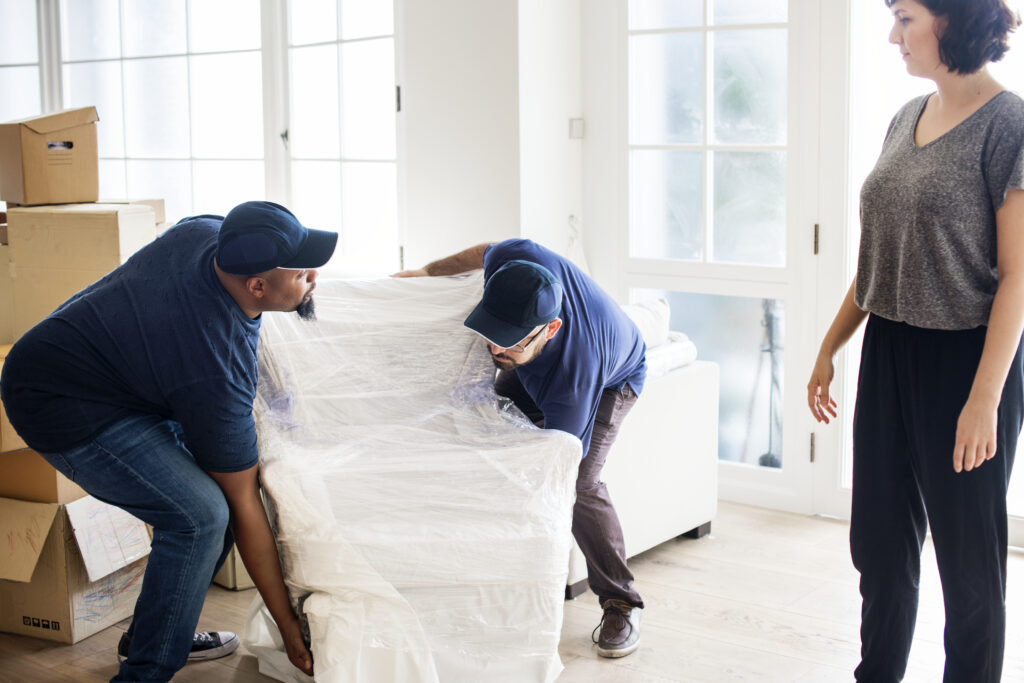
Hearing a sickening crack from your favorite wooden dresser is a sound you never forget. It signals more than just a simple accident; it often means a costly furniture frame damage that can ruin a cherished piece. If you’ve ever wondered, “how do I move my couch without breaking it?” you’re not alone.
Many furniture removal mistakes happen not from carelessness, but from not knowing the hidden stresses that break furniture at its joints. Even experienced DIY movers can overlook these critical details.
This guide walks you through the five most common errors that lead to broken frames and damaged heirlooms. By the end, you’ll know exactly how to avoid them, ensuring your belongings arrive safely.
Mistake #1: Lifting or Moving Heavy Furniture Incorrectly
That awful cracking sound we talked about? It often happens right here, in the first three seconds of a move. You think, “I’ve got this,” and try to muscle a heavy bookshelf or a solid wood dresser on your own. This is perhaps the most common of all DIY furniture moving mistakes.
The problem isn’t just weight, it’s leverage. When you lift alone, you’re forced to drag, tilt, or jerk the item. This puts immense, uneven pressure on the furniture frame. A frame is built to handle vertical weight (like you sitting on a sofa), not the twisting, racking force of a one-person lift. Joints groan, dowels snap, and corners split. Not to mention, your back isn’t a fan of this method either.
So, what’s the safest way to move heavy furniture? Ditch the solo act. Your first line of defense is proper furniture moving tools. A simple furniture dolly lets you roll weight instead of lifting it, keeping the frame perfectly level. Lifting straps allow you and a partner to share the load evenly, using your leg strength instead of your back. For sliding items short distances, furniture sliders are a game-changer. Think of it this way: you wouldn’t try to push a car by hand; you’d use the right tool for the job. The same logic saves your furniture and your spine.
Getting help and using the right gear isn’t a sign of weakness; it’s the smart first step. And once you’re not fighting the weight, you can focus on the next mistake: the item’s size and shape.
Mistake #2: Not Disassembling Furniture When Necessary
You’ve got the right tools and a helper—great! But now you’re staring at a giant wardrobe or a bulky bed frame, trying to move it through a standard doorway. This is where force meets immovable objects, and the frame usually loses. The single biggest act of furniture breakdown and removal you can do is also the simplest: disassemble furniture before moving.
Think about it. That bookshelf is a rigid rectangle. Your hallway has corners. Forcing that geometry is like trying to fit a pizza box sideways into a backpack; something’s going to bend or tear. The stress concentrates on the weakest points: the screws, dowels, and glue joints that hold the furniture frame together. This is a leading cause of what people search for when they ask, “what mistakes break furniture frames?”
The solution is to break it down into manageable, flat-packed parts. So, what furniture to disassemble when moving? As a rule of thumb: if it has legs that unscrew, doors that detach, shelves that come out, or a headboard that separates from the bed frame, take it apart. Bed frames, large tables, modular shelving units, and entertainment centers are prime candidates. It’s not about being handy; it’s about being strategic. Keep all hardware in labeled bags taped to the corresponding piece, and maybe snap a quick phone photo before you start. This makes reassembly a breeze later.
By taking things apart, you eliminate the twisting forces that cause breaks. Now, with your furniture in easier-to-handle pieces, the next question is how do you keep those pieces safe from scratches during the journey?
Mistake #3: Using Improper Packing or Protective Materials
So, you’ve disassembled your dresser into a more manageable stack of wood panels and drawers. Now, what? Tossing them into the truck naked or wrapped in an old bedsheet is like sending a glass vase through the mail in a paper bag. This is where furniture damage during move shifts from accidental to inevitable. To truly avoid furniture damage, you need a plan.
Frames get gouged by other items. Corners get chipped against walls. Drawers can slide out and snap their rails. The goal of protection isn’t just to prevent scratches; it’s to immobilize and cushion the entire structure. This is the core of how to protect furniture frames.
For the furniture frame itself, including those side panels, headboards, and table tops, invest in thick moving blankets or pads. These are densely woven to absorb impacts. For super sharp corners or delicate veneers, add cardboard corner protectors. Then, use stretch wrap (not tape directly on the wood) to hold the blankets snugly in place. For drawers and doors, remove them if possible and wrap them separately, or securely seal them shut with stretch wrap so they can’t swing open and snap their hinges. Think of it as putting your furniture in a padded, form-fitting suit.
This careful wrapping might seem like overkill, but it’s what stands between your items and a costly repair. Now, with your furniture safely bundled, there’s one more critical check before you even lift a thing. Have you confirmed it will actually fit through the maze of your home?
Also read this blog: Small Truck Hauling Is Your Go-To Solution for Light Hauling Needs
Mistake #4: Forgetting Measurements and Planning
You’ve wrapped your armchair like a precious artifact. You feel ready. But then you hit a doorframe, and that sickening scrape-crunch we dread echoes through the hallway. This classic error turns a simple furniture removal into a demolition project. Guessing instead of measuring is a direct ticket to breaking furniture.
The issue isn’t just width; it’s the path. You need to consider height clearing the top of the doorway, depth navigating a tight stairwell turn, and the pivot space needed to angle a long sofa. This is especially important for how to remove fixed furniture like large built-in cabinets (which require professional deconstruction) or anything you can’t easily take apart.
The fix is simple and free. measure twice, move once. Get your tape measure and note the dimensions of every piece. Then, walk the entire route, from its current spot, through every doorway, hall, and stairwell, to the truck and again at your new place. Compare the numbers. If it’s tight, your earlier work on disassembly becomes the hero. Taking off legs, doors, or even the back of a cabinet can gain you those precious few inches.
This step of planning is one of the best tips to avoid furniture breakage. It transforms a stressful guess into a calm, executable plan. But even with a perfect plan, some jobs simply demand more than two friends and a dolly. This brings us to knowing when to call in the cavalry.
Mistake #5: Attempting Furniture Removal Without Help
Let’s be honest: we’ve all overestimated our strength at some point. But when it comes to heirloom dressers, grand pianos, or that incredibly dense old furniture removal project, pride is the enemy of your possessions. This final mistake combines all the others; going it alone, without the right plan or tools, on a job that’s simply too big. It’s the fastest way to answer the question, “How to remove furniture without breaking it?” with a grim, “We didn’t.”
Old furniture is often heavier, more fragile, and more awkwardly built than modern pieces. Its joints may be tired, and its value sentimental. Attempting a complex furniture removal solo or with unprepared buddies often ends in two kinds of damage: furniture breaking and personal injury. A sudden slip, a misjudged weight distribution, and that cherished piece hits the ground, its frame shattered.
The smart solution? Know your limits. For large, heavy, or irreplaceable items, the safest way to move heavy furniture is often to hire professional movers. They bring the muscle, specialized equipment like stair-climbing dollies, and the experience to navigate tricky situations without a hint of panic. Enlisting professional help isn’t a failure; it’s the ultimate insurance policy for your belongings and your wellbeing. It makes sure the careful packing, disassembly, and measured navigation we’ve discussed actually happen seamlessly.
Bonus Tips to Avoid Furniture Frame Damage
You’ve got the big five mistakes covered. These final pointers are your extra layer of security, the habits that professional movers use every day to guarantee a damage-free move. Think of them as your finishing touches.
- Map Your New Space First: Before a single item leaves the old house, know exactly where it will go in the new one. This prevents that frantic, exhausting game of “musical furniture” at the end of the day, which is when tired muscles and poor decisions lead to last-minute scrapes and bumps.
- Protect the Path, Not Just the Item: We talked about wrapping your furniture. Now, protect its journey. Lay down moving blankets or corrugated cardboard as runners on floors, especially hardwoods or stairs. Use furniture pads on walls around tight corners. This safeguards your home and gives you a smooth “track” to slide or roll items along.
- Communicate Constantly with Your Helper: When lifting, a simple “Ready? Lift on three. Steady. Now walk.” is crucial. Both people moving in sync prevents the jerking motions that strain furniture joints. If you need to adjust your grip, say so!
- Empty Everything First: This might be the most overlooked furniture moving tip. Always, always remove all drawers, shelves, and contents from desks, dressers, and cabinets. It makes the piece dramatically lighter (preventing frame stress) and stops drawers from sliding out mid-carry and breaking their rails.
- Wear the Right Gear: This is for you and your furniture. Sturdy, closed-toe shoes with good grip prevent slips. Work gloves improve your grip on the furniture and protect your hands from splinters and sharp edges.
Conclusion
Moving furniture doesn’t have to end with that dreaded cracking sound. By avoiding these five common mistakes, you protect your furniture’s frame from the ground up. It’s about respecting the physics of the move, not just muscling through it.
If you’d rather leave that peace of mind to the experts, that’s where we come in. At EJ Haul LLC, our Furniture Removal Services are built to handle every detail we’ve covered, ensuring your pieces arrive in one piece.
For a stress-free move, call us at 1 855 722 5535.
FAQs
Take apart any large, rigid items like bed frames, tables, bookshelves, and wardrobes. If it has detachable legs, doors, or shelves, disassembling it prevents twisting and is a key step in smart furniture breakdown and removal.
Absolutely. They are a core proper furniture moving tool for hard floors. By reducing friction, they let you glide heavy items without lifting, which protects the furniture frame from stress and your floors from scratches.
The safest way to move heavy furniture is to empty it completely, use a furniture dolly for transport, and always have a helper. Never drag it, as this can easily lead to furniture breaking at the joints.
For old furniture removal, you have a few good options: donate it if it’s in good shape, schedule a bulk pickup with your waste service, or hire a professional furniture removal company like EJ Haul LLC to haul it away safely.
Yes. Professional movers have the experience and equipment to execute the tips to avoid furniture breakage perfectly.