
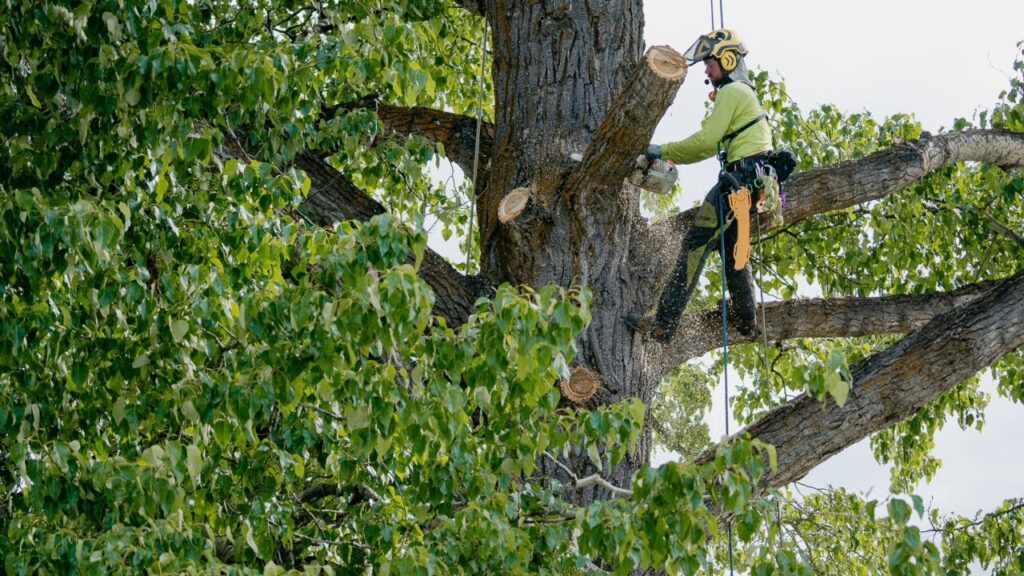
Storms have the power to transform your peaceful backyard into a chaotic mess. High winds, heavy rain, and intense lightning can cause trees to lose branches, bend, or even uproot entirely. These storm-damaged trees can pose serious risks, from blocking driveways and walkways to causing structural damage to your home or nearby structures. Moreover, broken branches and downed limbs not only diminish the beauty of your yard but can also create dangerous obstacles that need immediate attention.
While dealing with storm-damaged trees might feel like an overwhelming task, taking the right approach can help you handle the damage efficiently and safely. Timely tree removal is essential to prevent further damage to your property, your landscaping, and even to neighboring properties. Whether the damage is minimal or your trees have suffered significant harm, understanding the best way to assess and remove damaged branches and limbs can make the entire process much easier.
In this guide, we’ll cover seven crucial tips for removing storm-damaged trees and branches, including practical advice on when to take action, how to evaluate the extent of the damage, and which tools are essential for the job. While some tasks can be tackled by homeowners with the right equipment, others may require professional help. By following these tips, you can ensure that your yard is cleared of debris safely, reducing risks and protecting your property in the process.
1. How to Spot Dangerous Tree Damage After a Storm
Identifying Weak or Broken Limbs
After a storm, the first step is to check for broken or hanging tree limbs. These limbs can be extremely dangerous since high winds can cause them to break further. Look for large cracks or splits in branches or trunks, which indicate structural weakness. If a limb is still partially attached, it poses an immediate risk.
Examining the Tree Trunk for Splits and Cracks
Inspect the trunk for deep cracks or splits. These damage points can weaken the entire tree, especially after a storm when strong winds or heavy rain have affected its stability. Cracks extending vertically or around the trunk compromise its strength and increase the risk of the tree falling unexpectedly.
Assessing Root Damage
If a tree is uprooted or shows visible root damage, it needs immediate attention. Trees that have shifted or fallen may have roots that no longer anchor the tree properly. Check for exposed roots or tilting trunks, which suggest the tree is at risk of collapse. Compromised roots require professional help to prevent further danger.
2. Essential Tools for Safe and Effective Tree Removal
Chainsaw for Large Limbs and Trees
A chainsaw is vital for cutting through larger limbs and tree trunks. Ensure the chainsaw is sharp and well-maintained for effective cuts. The size of the chainsaw should match the thickness of the tree limbs. Gas-powered chainsaws are generally the best choice for bigger tasks, but battery-operated models are convenient for smaller jobs.
Pruning Shears and Hand Saws for Smaller Branches
Pruning shears and hand saws work best for cutting smaller branches and twigs. These tools offer better control for trimming smaller debris before tackling bigger limbs. They are ideal for jobs that don’t require heavy-duty equipment and help prepare the space before the heavy lifting begins.
Protective Gear for Safety
Safety is critical during tree removal. Wear gloves, a helmet, and goggles to protect from falling debris. Sturdy boots and chaps are also essential to shield your legs from chainsaw accidents. Keep a first aid kit on hand as a precaution in case of injury.
3. DIY or Professional Help
Assessing the Severity of the Damage
Start by evaluating the extent of the damage. If the tree has caused significant damage to property, such as falling on a roof or power lines, calling a professional is the safest choice. Similarly, if large, unstable limbs are hanging dangerously, professional help should be sought immediately.
Complexity of the Removal Process
If the tree is tall or large, or if you are unsure of how to safely handle the removal, hiring an expert is advisable. DIY removal works for smaller, manageable jobs, but large trees or heavy limbs require experience and specialized tools to avoid injuries or further damage.
When to Call an Arborist for Tree Health Assessment
In some cases, damage isn’t just about removing debris; it’s about the health of the tree. If the tree still stands but shows visible damage, an arborist can assess its condition. The expert will determine whether it can be saved or needs to be removed, ensuring safety and tree care.
4. Inspecting and Preparing the Area for Safe Removal
Why preparation is key to a safe removal process
Before you begin cutting, ensure the area is clear of obstacles that might interfere with your work. Since you will be handling branches, it’s essential to secure the area so that debris doesn’t fall on unintended objects or people. Moreover, wear protective gear, including gloves and goggles, to avoid injuries from flying wood chips or accidental cuts. Setting up a clear, open workspace helps improve focus and minimizes distractions during the removal.
How to determine the best approach for cutting
Look closely at the branch to check how it’s hanging and where it’s broken. If the branch is hanging loosely, you may need to cut it in smaller sections to prevent it from falling in an uncontrolled manner. In addition, try to cut the branch from a stable position to avoid awkward angles or sudden shifts in balance while cutting. Proper planning ensures the branch will fall safely without causing damage.
Key Points
- Clear the area and wear protective gear to ensure safety
- Use pruning shears or hand saws for small branches; a chainsaw for slightly thicker ones
- Cut at a 45-degree angle to prevent water accumulation
- Make clean, controlled cuts to minimize damage to the tree
- Carefully remove the branch from the area and keep the workspace organized
5. Master the Art of Cutting and Removing Large Tree Limbs
Assessing the Size and Stability of the Limb Before Cutting
Before attempting any cuts, evaluate the size of the limb. Larger limbs, especially those with considerable weight or those near structures, require special attention. Check for signs of instability, such as cracks or partial breaks that might cause the limb to fall unpredictably. Since these branches are heavy, it’s crucial to make sure you have a solid plan for controlling where it will fall after cutting.
Choosing the Right Tools for the Job
Selecting the proper tools for large limbs is essential for safety and effectiveness. A chainsaw is usually required for limbs thicker than 3 inches. However, make sure the chainsaw is powerful enough for the job and well-maintained for clean, efficient cuts. For branches that are far out of reach, consider using a pole saw or extending the chainsaw with an extension pole. In addition, having a safety rope can help control the limb as it falls.
Cutting Techniques for Safe and Controlled Removal
When cutting large limbs, always start with a notch cut on the side of the tree facing the direction you want the limb to fall. Then, make the final cut slightly above the notch from the opposite side to ensure the limb falls safely. Be mindful of your body positioning, and never cut directly overhead to avoid injury. Moreover, it’s important to cut in stages—starting from the outside and working inward to prevent the limb from twisting or breaking unexpectedly.
Removing the Limb and Cleaning Up Safely
Once the limb is safely on the ground, it’s important to remove the debris systematically. Cut the limb into smaller sections to make removal easier and more manageable. In addition, carefully remove any remaining branches or twigs that might cause tripping hazards. As a result, the area will be cleared safely, and your yard will return to its normal state without risk of accidents from leftover debris.
6. Handling Fallen Trees with Care and Precision
Surveying the Area and Assessing the Fallen Tree
When a tree has fallen, your first step is to survey the damage and evaluate how to proceed. Check the tree’s position to see if it’s blocking pathways, structures, or utilities. Since the tree may be heavy and difficult to move, check for any exposed roots or leaning trunks that could still present danger. In fact, identifying these hazards early will help you take the safest approach to removal.
Safety Precautions for Dealing with a Fallen Tree
Fallen trees can be unpredictable, especially if they are partially lodged against other structures. Wear full protective gear, including gloves, boots, and eye protection, to prevent injuries from debris or sudden movements. Since the tree may still be under tension, cut smaller branches first to relieve the pressure before cutting the main trunk. Moreover, make sure there are no power lines near the fallen tree to avoid electrical hazards.
Breaking Down the Tree for Removal
Start with cutting smaller branches and limbs to clear a path around the fallen tree. Once the smaller debris is removed, begin cutting the trunk into manageable sections. For larger trunks, use a chainsaw to make precise cuts, starting from the top and working your way down. In addition, always ensure that the sections of the trunk are well-supported before cutting, to avoid the trunk from collapsing or shifting unexpectedly.
Clearing the Area and Removing Debris
After the tree is broken down into smaller sections, the next step is cleanup. Move the logs and branches carefully to avoid further damage to your yard. As a result, your yard will be free from the clutter caused by the fallen tree. However, don’t forget to check the area for stumps or leftover roots that might pose a tripping hazard. In fact, grinding the stump or removing it entirely may be necessary for long-term safety and cleanliness.
7. How to Protect Your Trees and Yard From Future Storm Damage
Regular Tree Maintenance to Prevent Damage
Routine tree care can prevent significant damage during storms. Regularly inspecting your trees helps identify early signs of weakness, such as dead branches, splits in the trunk, or disease that can make trees more vulnerable to high winds. Trimming weak or overgrown branches before a storm reduces the risk of them snapping and causing damage. Moreover, ensuring that your trees are healthy by watering them properly and treating them for pests or diseases strengthens their overall resilience.
Pruning at the right time is also essential to prevent overgrowth that could catch the wind. For instance, remove any branches that grow at an angle, as they may be more likely to snap during high winds. Keeping your trees in top shape not only reduces the chance of storm damage but also promotes better growth and structure.
Investing in Tree Support and Protection Systems
Tree support systems can provide added stability during storms, especially for young or newly planted trees. Using tree stakes or cables can help prevent trunks from bending or leaning when faced with strong winds. Additionally, using protective tree wraps or guards can shield bark from flying debris and prevent damage during harsh weather conditions.
Mulching around the base of your trees helps retain moisture, prevents soil erosion, and stabilizes roots. Since storms often cause soil displacement, mulch acts as an additional layer of protection. As a result, these efforts minimize the risk of long-term damage to the tree’s structure and surrounding yard areas.
Key Points
- Regular tree care: Inspect, prune, and treat trees to strengthen resilience
- Prune overgrown branches before storms to avoid damage
- Tree support systems: Use stakes, cables, and wraps to prevent bending
- Mulching: Protect tree roots and maintain stability during heavy storms
Final Words
Storms can be unpredictable, but taking the right preventive measures can help you protect your trees and yard from significant damage. Regular tree maintenance, including pruning and inspecting for weak branches, as well as using tree support systems, can go a long way in preventing storm-related issues. By adding protective layers like mulch and ensuring healthy growth, your trees will be more resilient when harsh weather strikes.
At EJ HAUL, we specialize in quick and safe storm debris removal and tree cleanup. Whether it’s fallen branches, uprooted trees, or broken limbs, we can help you clear your yard efficiently and safely. Our experienced team makes it easier for you to restore your property to its pre-storm condition, so you don’t have to worry about the aftermath. Let us handle the heavy lifting, so you can focus on getting your space back in order.