
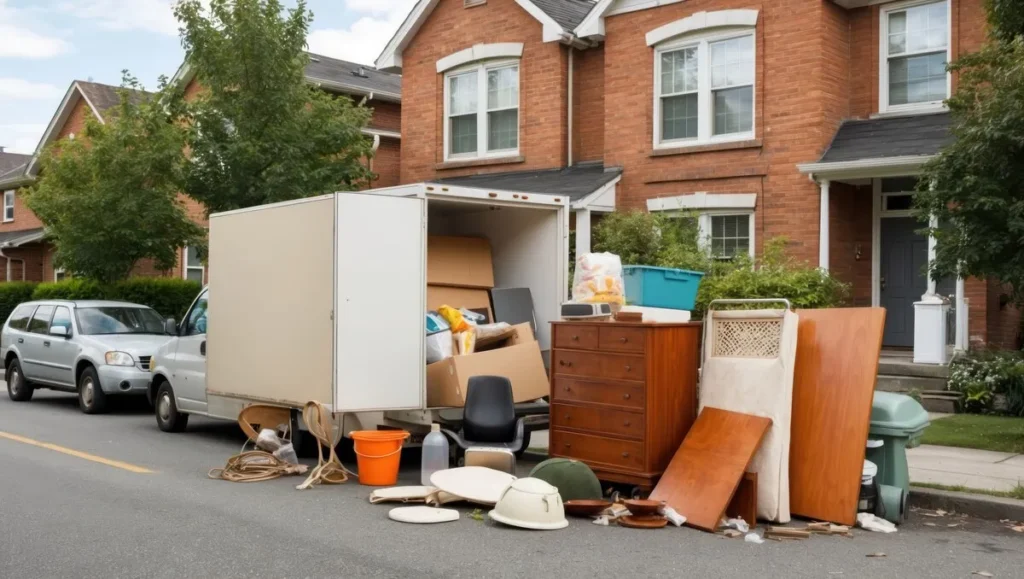
You’ve packed your clothes, moved most of the furniture, and almost finished moving out. Then you open the garage and find old boxes, broken chairs, and things you forgot were there. Now you have to get rid of everything before returning the keys. This is where a rental move-out cleanout becomes important. Whether you’re leaving an apartment in St. Louis or preparing a rental house for new tenants, clearing unwanted items early makes the final cleaning and inspection much easier. A little planning also helps you avoid extra disposal costs, missed collection dates, and the stress of removing heavy furniture at the last minute.
Check Your Lease and Move-Out Requirements
Before throwing anything away, read your rental agreement and check the move-out instructions. Some landlords expect tenants to remove all personal belongings, empty storage areas, and leave the property in a certain condition. Apartment buildings may also have rules about furniture removal and rubbish collection. Find out when you need to return the keys and whether a final inspection has been arranged.
If you’re a landlord, confirm that the tenant has legally moved out before removing anything left behind. Missouri has rules for certain situations involving abandoned property, so don’t assume that furniture or personal belongings can be thrown away immediately. Knowing the requirements early helps you decide what needs to be done before the move-out date.
Walk Through Every Room Before the Cleanout
A rental property may look almost empty, but there’s often more left behind than you expect. Open kitchen cupboards, bedroom closets, bathroom drawers, and storage cabinets. Check behind doors and under sinks. Don’t forget the garage, basement, attic, or outdoor storage areas.
As you walk through the property, make a simple list of what needs to go. For example, you might find an old sofa in the living room, a broken desk in the bedroom, and several bags of rubbish in the garage.
Write down the larger items separately. This will help you estimate how much waste you have and what type of removal service you may need. If you’re a landlord or property manager, take photos of the property’s condition before the cleanout. These photos may be useful when checking for damage or planning repairs.
Decide What to Keep, Donate, or Throw Away
Sorting your belongings before removing them saves time and prevents mistakes. Instead of putting everything into rubbish bags, separate items into three groups.
Things You’re Taking With You
Start with personal documents, electronics, medication, jewellery, and other valuable belongings. Pack these items first and keep them away from the rubbish pile. If friends or family are helping with the move, make sure everyone knows which boxes and furniture should stay.
Items Someone Else Could Use
You may have chairs, tables, clothes, or kitchen items that are still in good condition but no longer needed. Consider donating them to a local charity or reuse centre. Check whether the organisation accepts the items before arranging collection. Some places have restrictions on mattresses, large furniture, and appliances. If you’re selling furniture, arrange pickup several days before moving out. A buyer who cancels at the last minute could leave you with a large item you still need to remove.
Broken or Unwanted Items
Put damaged furniture, unusable household goods, and general rubbish in a separate area. Keep this pile away from walkways and entrances. Once you’ve finished sorting, you’ll have a much better idea of how much move-out junk removal is needed.
Plan Furniture and Appliance Removal
Large furniture is often the hardest part of a rental property cleanout. A mattress may not fit in your vehicle. A heavy sofa may be difficult to carry downstairs. An old wardrobe might need to be taken apart before it can leave the room. Check the size and weight of large items before removal day.
Common items include:
- Sofas, recliners, and armchairs.
- Mattresses and bed frames.
- Dining tables and chairs.
- Dressers, desks, and shelves.
- Broken cabinets and storage furniture.
- Unwanted household appliances.
If furniture needs to be disassembled, do it before the removal crew arrives or before you begin loading. Use suitable moving equipment and protect floors and doorframes when carrying heavy items. Don’t try to lift something that is too heavy or awkward to move safely.
For appliances, check disposal requirements first. Refrigerators and freezers contain refrigerants and may need special collection. Also make sure that any appliance included with the rental property stays in place unless the landlord has approved its removal.
Clear Garages, Basements, and Outdoor Spaces
Garages and basements are easy to overlook because they aren’t used as often as the main rooms. You might find old tools, empty boxes, broken shelves, unused furniture, or household items stored for years.
Check every corner and shelf.
If the property has a patio, balcony, garden, or shed, inspect those areas too. Remove personal belongings and unwanted items that are supposed to leave with you.
For apartment buildings, ask management before placing bulky rubbish near shared bins. Some buildings don’t allow furniture to be left in these areas.
If you have garden waste, check whether your collection provider accepts it separately from household rubbish. Including these spaces in your rental property cleanout prevents forgotten items from becoming a problem during the final inspection.
Check Which Items Need Special Disposal
Not everything you want to throw away belongs in a regular rubbish bin or dumpster. Old paint, cleaning chemicals, batteries, and certain appliances may need special disposal. Keep these items separate while sorting the property.
Common examples include:
- Paint, paint thinner, and solvents.
- Pesticides and strong cleaning chemicals.
- Motor oil and automotive fluids.
- Propane tanks and fuel containers.
- Rechargeable batteries.
- Computers, televisions, and other electronics.
- Refrigerators and freezers.
If you’re clearing a property in St. Louis, check the waste collection and recycling rules for the property’s exact address. Services and accepted items may differ between the City of St. Louis, nearby municipalities, and private apartment complexes. You can also check local household hazardous waste collection programmes for disposal options.
Before renting a dumpster or booking junk removal, ask which items the company accepts. This helps prevent rejected loads and unexpected charges.
Choose the Right Waste Removal Service for Your Rental Cleanout
Once you’ve sorted everything, it’s easier to decide how to remove the remaining waste. The best option depends on how much junk you have, how heavy the items are, and how quickly the property needs to be cleared.
Dumpster Rental for Large Amounts of Waste
A dumpster rental for a property cleanout may be useful when you have a large amount of approved household waste and want to load it over several days. For example, a landlord clearing an empty rental house might need to remove old carpeting, damaged furniture, and bags of rubbish. Before renting a dumpster, ask about the container size, weight allowance, rental period, and restricted materials. Check where the container can be placed. You may need permission if it will sit on a public street or shared property.
Professional Junk Removal for Heavy Items
Sometimes you don’t have enough time or people to move everything yourself. Heavy furniture, old mattresses, and large household items can be difficult to carry out, especially when a property has stairs or narrow hallways. If you’re clearing a rental property in St. Louis, MO, EJ Haul LLC offers local junk removal services for unwanted furniture and household items. Arranging removal before your move-out date gives you more time to clean the rooms and complete the final inspection. When requesting an estimate, explain what needs to be removed, how many large items you have, and whether there are stairs or parking restrictions.
Regular Rubbish Collection for Smaller Cleanouts
If you only have a few bags of household rubbish, regular collection may be enough. However, some collection services have limits on extra bags, furniture, and large items. Check the rules before leaving anything outside.
What Affects the Cost of a Rental Property Cleanout?
The cost of a cleanout depends on the work involved. A small apartment with a few unwanted items will usually require less removal work than a house filled with furniture and rubbish.
Several things may affect the price:
- Amount of junk: More items may require a larger vehicle, container, or additional labour.
- Heavy furniture: Sofas, mattresses, and large cabinets may take more time to move.
- Property access: Stairs, narrow hallways, and long carrying distances may affect the work.
- Type of waste: Some materials require special disposal and may cost more to remove.
- Removal method: Dumpster rental and full-service junk removal have different pricing structures.
Before booking, ask for an estimate based on the items you need removed. Also confirm whether loading, transport, disposal, and any additional charges are included.
Get the Property Ready for Junk Removal
Once you’ve arranged the removal, prepare the property so the work can begin without delays.
- Clear the main entrance and move small boxes away from doorways.
- Make sure hallways and staircases are free from loose items.
If you’re moving out of an apartment, check whether you need to reserve a lift or loading area. Some buildings also limit the hours when furniture can be moved.
- If a dumpster is being delivered, make sure the agreed location is accessible and doesn’t block driveways, pavements, or emergency access.
- If a junk removal crew is coming, tell them about large items and difficult access before the appointment.
Keep anything you’re taking with you clearly separated from the items being removed.
Clean the Property Once the Junk Is Gone
After the unwanted furniture and rubbish have been removed, you can begin the final cleaning. It’s easier to clean empty rooms because you can reach floors, walls, cupboards, and corners without moving furniture around.
Start with the kitchen.
Remove leftover food, empty the cupboards, and clean the appliances that belong to the property. In the bathrooms, remove any remaining personal items and clean the sinks, toilets, showers, and floors. Check bedrooms and living areas for small belongings that may have been left behind. Don’t forget storage areas and outdoor spaces included in the rental agreement. For landlords, this is also a good time to check for damaged flooring, broken fixtures, or other repairs that need to be completed before new tenants arrive.
Take Photos and Complete the Final Inspection
Before returning the keys, walk through the property one more time.
- Open the cupboards and closets. Check behind doors and inside storage areas.
- Make sure there are no rubbish bags, unwanted furniture, or personal belongings left behind.
- Take clear photos of the empty rooms and cleaned areas.
If you’re a tenant, these photos may be useful if there are questions about the property’s condition later. Compare the condition with your rental agreement and any move-in inspection records.
For landlords, document any damage separately from normal wear and tear. Follow Missouri’s rules when dealing with security deposits and move-out charges. Once everything is complete, return the keys, access cards, parking passes, and garage remotes as required.
Plan Your Cleanout Before Moving Day
Leaving the cleanout until the last day can create unnecessary problems. You may find more rubbish than expected, discover that an appliance needs special disposal, or struggle to move a large piece of furniture. A simple schedule can make the work easier.
One to two weeks before moving: Check the property, review the lease, and begin sorting belongings.
Several days before moving: Arrange donations, sell unwanted furniture, and book any removal services you need.
One or two days before the deadline: Remove the remaining junk and complete the main cleaning.
On the final day: Check every room, take photos, and return the keys as agreed.
If you’re a landlord, allow enough time for any legal steps required before disposing of belongings left by a former tenant.
Frequently Asked Questions
How much does a rental property cleanout cost in St. Louis?
The cost depends on the amount of junk, heavy items, property access, and disposal needs. Request an estimate based on what needs to be removed.
Who is responsible for removing junk from a rental property?
Tenants are generally expected to remove their personal belongings when moving out, subject to the lease and applicable law. Landlords must follow legal requirements when dealing with items left behind.
Can a junk removal company clear an entire rental property?
Many junk removal companies offer whole-property cleanouts. Confirm the items they accept and the work included before booking.
What happens if a tenant leaves furniture behind?
Landlords should check the applicable Missouri laws before removing or disposing of the furniture. The required process depends on the situation.
Should I clean the rental before or after junk removal?
Remove unwanted items first. Empty rooms are easier to clean, and you can see areas that need attention.
How early should I arrange a move-out cleanout?
Try to begin planning one or two weeks before the move-out date. Larger properties may need more time.
Leave the Property Clean and Empty
Before returning the keys, make sure every room, cupboard, and storage area has been checked. Remove unwanted belongings, finish the cleaning, and take photos of the property’s condition. If you have large furniture or several items that need disposal, arrange removal before the final inspection. That way, you won’t be dealing with leftover rubbish when you’re supposed to be finishing your move. For landlords and property managers, clearing the property on time also leaves room for repairs, cleaning, and preparing the rental for its next occupants.